


Text by BETH MCKENZIE
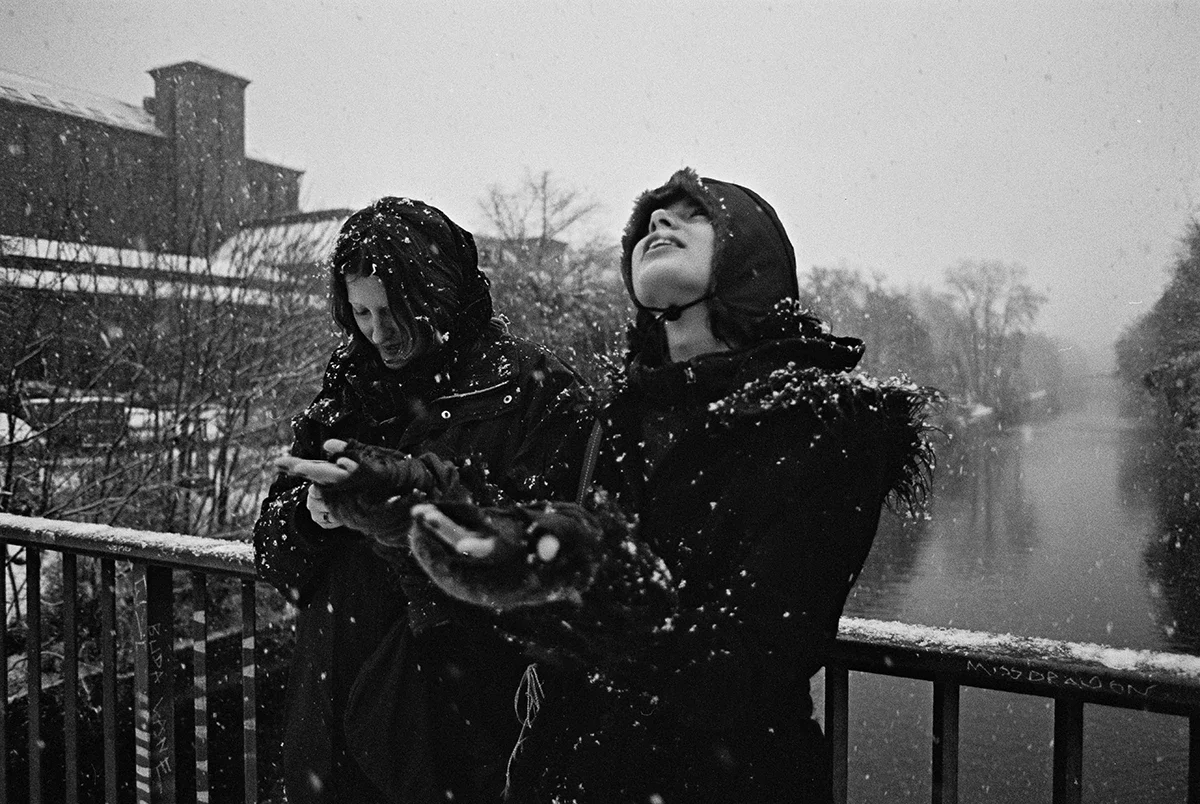
Marina Monaco, Josefina and Lucila under the snow (2023).
Winter gets a bad rap. There are many reasons for the season’s unsavoury reputation: the cold weather, short days, the skyrocketing of bills, and life seeming generally harder. Winter marks somewhat of a cultural dead zone; a liminal space endured only until the first crocuses of spring rear their pretty little heads from beneath the snow-trodden earth.
Winter’s spunky cousin, Autumn, on the other hand, has been the benefactor of overwhelmingly positive press in the past decade or so. Type ‘autumn aesthetic’ (or its nom de plume: Fall) into the Pinterest search bar, and it’s like falling headfirst into a pile of plush orange leaves, pumpkin patches, and Gilmore Girls screencaps.
Of course, autumn holds other, less superficial assets. The opportunity to slow down and indulge in home comforts, offers many a chance for realignment and reflection. As writer Aswan Magumbe wrote in a recent Substack ode to the season:
“...we have grown to detest when things start to decay, when a ship has sailed, resentment when a moment has passed. Perhaps this is the time, a toe dip in the water before that icy winter air smacks sensitive skin, where we fully grapple with what the year has had to offer us.”
But where autumn offers a ‘toe dip’, winter forces you to take the plunge. It ‘smacks’ where Autumn would caress. You’d never catch Winter sipping on a chai and skipping through fallen leaves. Instead, she’s wrapped in fur, boots laced, brow furrowed defiantly in spite of the cold, tapping her foot at the bus stop; a black coffee in one hand and a Marlboro Red in the other, watching her hot, ashy breath swirl up into the cold air as she awaits her frozen chariot. But what Winter lacks in zeal she makes up for in artistic potential.
The long stretch between New Year’s and Valentine’s is one many dread. But even as a young person, the post-Holiday Blue Period was always something I looked forward to because, to me, it was an excuse to stay in my room all day reading, listening to music and watching movies on my laptop. Although the shiny new hardback or latest cinema release was exciting, winter seemed to offer the perfect opportunity to “catch up” on the centuries of human creativity before me.
Conversely, an episode of The New Yorker’s ‘Critics at Large’ podcast branded summer as the ‘Season for Obsessions’; a transitory period ripe with nostalgia and lethargy ideal for going down the cultural rabbit hole. But this all seems too easy. You don’t have to work to have great encounters with art in the summer. In the hot sun, anything can be soaked with meaning. The hours stretch out before you, your days are filled with lounging and drinking, and everything takes on a sexy hue. Winter is rougher, harsher; the bitter conditions that force us to retreat indoors are the same conditions that necessitate the introspection necessary to creative metamorphosis.
There was one winter in particular, the final year before I went to university, that felt particularly significant. As the so-called ‘Beast from the East’ left the north of England covered in a thick white blanket, in between half-hearted attempts to walk the dog and eagerly listening to radio announcements, hoping to hear that school was closed, I dove into a whole host of new and lasting artistic encounters. It was the season I first listened to many artists that are now standard parts of my listening activity - Jeff Buckley, Sufjan Stevens, Fiona Apple - read Anna Karenina, and ripped through books on the Vatican and Renaissance masters following an earlier trip to Rome. A whole smorgasbord awaited me and I was insatiable.
With no outside influence, no trend-adjacent urgency, pouring myself into these works felt magical. There’s almost a state of complete ecstasy reached when you are able to immerse yourself in this way; the season of discomfort and isolation, peels away the skin, plucks out the seeds, plunges into the core and leaves you with art in its purest form, plump, ripe, and ready to be devoured, as though you are the first person to have ever come across it. I’m not truly certain that I would’ve even thought about studying Art History had that winter not been so transformative.
Jeff Buckley performing ‘Grace’ at the BBC The Late Show London (1995)
Perhaps this is, then, the true distinction; summer is host to intense but fleeting cultural run-ins that satiate for a moment, but are eventually lost in time, forever shrouded in a nostalgic haze. These cultural encounters offer a temporary escape, an external projection of one’s desires and shallow interests. But those winter encounters endure, retreat inward, ask you to reach into the deepest parts of yourself and confront them. If summer is about obsession, autumn reflection, then winter is about uncovering, and this is wherein lies its transformative potential.
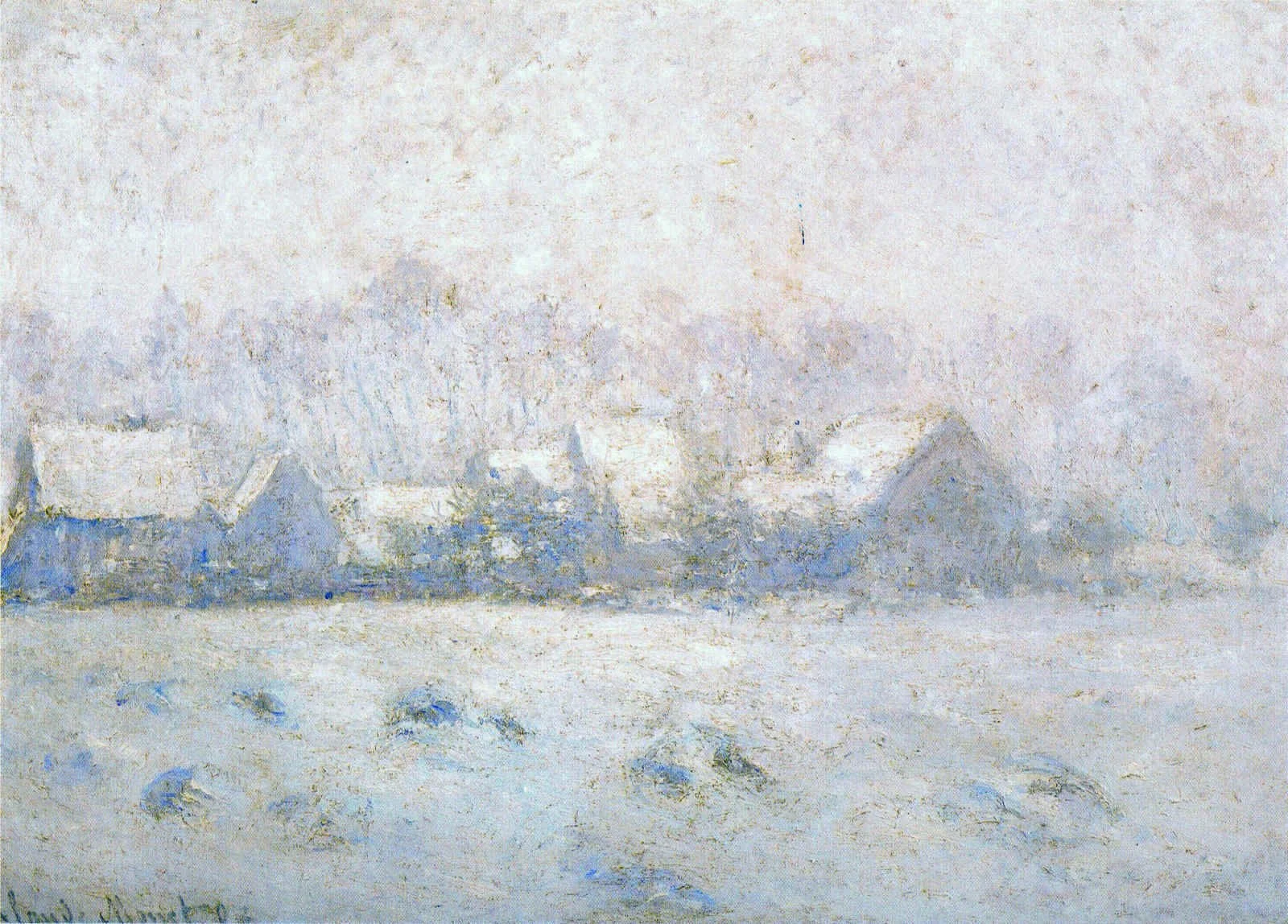
Claude Monet, Snow Effect, Giverny, 1892-93
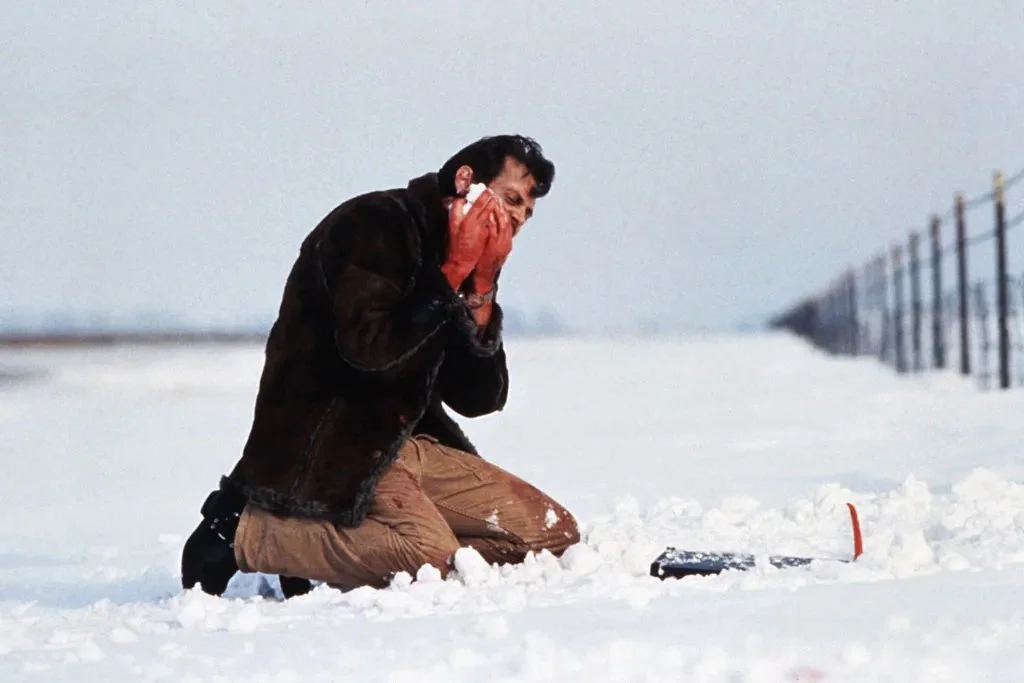
Fargo, dir. The Coen Brothers (1996).
If winter sharpens our focus on art by stripping away distraction, it also strips the walls we place between ourselves and the more difficult truths that live within us. The same conditions that make artistic encounters feel heightened - stillness, isolation, forced intimacy with our own thoughts - also expose our vulnerabilities, and winter often confronts us with emotional and historical realities we might avoid in more forgiving seasons. Much commentary from Black Studies adopts winter as a metaphor for creativity in the midst of struggle. In her essay for Isaac Julien’s Riot from 2013, bell hooks wrote:
“We cannot let the weather determine our fate…Through the snowy cold, everything stopped. I have left time behind, surrendered the solidness of our body to become snowflakes. Present, then dissolving… We will keep the knowledge of how to use our imagination as a vehicle to let all the worldly things go. As we mature as artists, in the mythical diasporic dream space, a culture of infinite possibility is ready to receive us. This is artistic freedom as pure and unsullied as falling snow.”
Here, she refers to winter’s changeability as an allegory for resistance and creation in the black diaspora. Christina Sharpe also refers to the weather to describe the enduring atmosphere of antiblackness that black people must navigate. Deep engagement with and creation of art is deeply racialised; to experience art as a non-white person is an act of political resistance. If winter’s harshness can illuminate personal truths, it can also reveal structural ones.
~
Despite my obvious predilection towards it, winter is now marked as the time I lost my father. The loss of a loved one shocks you into change. In the winter of mourning, trudging your sledge up the snowy mountain, fingertips red from the chill, art provides a temporary haven to shelter from the storm. You would’ve preferred to stay in the warmth of the sun, and know you will once more, but as you come to terms with your grief, you learn to appreciate the things you once scorned: the snowflake fractals, the silence of cool air, an untouched bed of fresh snow. Often, the most edifying experiences begin with a nosedive into darkness.
Thus, whilst winter may begin as the season we brace ourselves against, it eventually reveals itself as something we are capable of withstanding. To engage deeply with art in winter is not to escape the season, but to move through it. With its bleakness as the frame, and isolation as its paintbrush, winter makes artists of us all.